- Psychedelics Uncensored
- Posts
- 🧠 The Largest DMT Study Yet
🧠 The Largest DMT Study Yet
This week’s trip: the biggest DMT depression study yet, new research, and laws on the move.

👋 Welcome
Hey friends!
This week feels like another one of those moments where the entire field seems to move forward all at once.
New studies are exploring everything from OCD and Parkinson’s disease to cancer biology and long-lasting Lyme symptoms. Lawmakers across the U.S. are debating how these compounds should be studied and regulated. Even the longevity world is starting to pay attention.
It’s a strange and fascinating mix right now: ancient plant traditions, cutting-edge neuroscience, and Silicon Valley biohackers all circling the same ideas.
Let’s get into it.
🔝 Weekly Highlights
🚬 One dose of psilocybin helped people quit smoking 6× more successfully than nicotine patches
Researchers have been studying the relationship between psilocybin and addiction for years, but this new coverage highlights just how dramatic the results can be. In clinical research, a single guided session helped people quit smoking at rates far higher than traditional nicotine-replacement therapies. The experience may help people step outside of deeply ingrained behavioral loops and see their habits from a completely new perspective. Take a look at the story
🧬 Bryan Johnson’s next longevity experiment involves 5-MeO-DMT
Longevity entrepreneur Bryan Johnson is known for running radical experiments on himself in pursuit of slowing aging. His latest idea involves exploring whether 5-MeO-DMT could influence biomarkers connected to longevity and biological health. It’s an unusual direction, but it highlights how the conversation around psychedelics is starting to intersect with the longevity movement. See Bryan’s post
🧬 Quick Hits
RESEARCH 🔬
🧠 Yale researchers found one psilocybin session may relieve OCD symptoms
A new placebo-controlled study suggests a single guided session led to meaningful reductions in obsessive-compulsive symptoms for many participants. OCD has historically been difficult to treat for some patients, which makes early signals like this especially interesting. Read the study
📊 Real-world Swedish data shows strong reductions in anxiety and depression
Researchers analyzed outcomes from people receiving psychedelic therapy in real-world settings involving psilocybin and LSD. The results showed substantial improvements in anxiety and depression symptoms, suggesting benefits may extend beyond tightly controlled clinical trials. Dive into the research
🧠 Parkinson’s patient reported improvements after extended low-dose ibogaine use
A case report describes a Parkinson’s patient who took low doses of ibogaine over roughly 80 days and experienced noticeable improvements in movement and quality of life. It’s only a single patient, but the neurological angle is intriguing enough that researchers are paying attention. See the report🦠 Psilocybin may help with long-lasting Lyme disease symptoms
A new paper suggests psilocybin may significantly reduce symptoms associated with post-treatment Lyme disease syndrome. Patients dealing with these lingering symptoms often have limited treatment options, which makes findings like this particularly compelling. Open the paper
🎗️ Psilocybin and ketamine may interrupt stress-driven tumor growth
Researchers are exploring how psychedelic compounds might influence biological pathways tied to stress and tumor progression. Early findings suggest the compounds may interfere with stress-related signals that can accelerate cancer growth. Explore the study
POLICY 🏛️
⚖️ Tennessee wants to become an ibogaine research hub
A newly proposed bill would fund research and clinical trials exploring ibogaine’s potential for treating addiction and traumatic brain injury. Several lawmakers see it as a chance for the state to position itself at the forefront of emerging medical research. Read the bill
🍄 Minnesota lawmakers approved a bill to legalize psilocybin therapy
Minnesota legislators advanced a bill that would legalize therapeutic psilocybin use and reschedule the compound under state law. Additional legislative steps remain, but it represents another state seriously exploring medical access. Follow the update
🏛️ West Virginia advanced medical psilocybin legislation
Lawmakers in West Virginia are exploring legislation tied to psychedelic research and potential therapeutic access. It’s another example of how quickly these conversations are spreading across state legislatures. See what’s happening
🇺🇸 Federal bill would require the VA to study psychedelic treatments
A newly filed federal proposal would require the Department of Veterans Affairs to research psychedelic therapies for conditions like PTSD and depression among veterans. Read more here
🎖️ Utah approved a bill supporting psychedelic trials for veterans
Utah lawmakers passed legislation that will support clinical trials exploring psychedelic therapy for veteran mental health. The bill reflects growing bipartisan interest in new treatments for PTSD. Learn more
BUSINESS 💼
🧬 Pharmaceutical interest in psychedelics continues growing
Atai-Beckley is currently looking for partners to advance development of BPL-003 as interest from major pharmaceutical companies increases. Recent deals in the sector suggest large industry players are beginning to take psychedelic medicine seriously. Read the industry update
CULTURE 🎭
📜 A new analysis argues ideology—not science—drove psychedelic prohibition
Researchers examining historical records say political and cultural forces played a larger role in global psychedelic bans than scientific evidence ever did. Read the analysis
🎨 Psychedelics and creativity are entering the mainstream conversation
A new essay explores how psychedelic experiences may influence creativity, problem-solving, and innovation beyond traditional medical applications. Check out the article
💊 Vanity Fair published a microdosing guide
Even major lifestyle publications are now exploring the microdosing trend. Vanity Fair recently released a guide examining how people are experimenting with small doses alongside other modern wellness trends. Take a look at the guide
🌈 Main Feature
One dose of DMT reduced depression for months in the largest DMT study yet
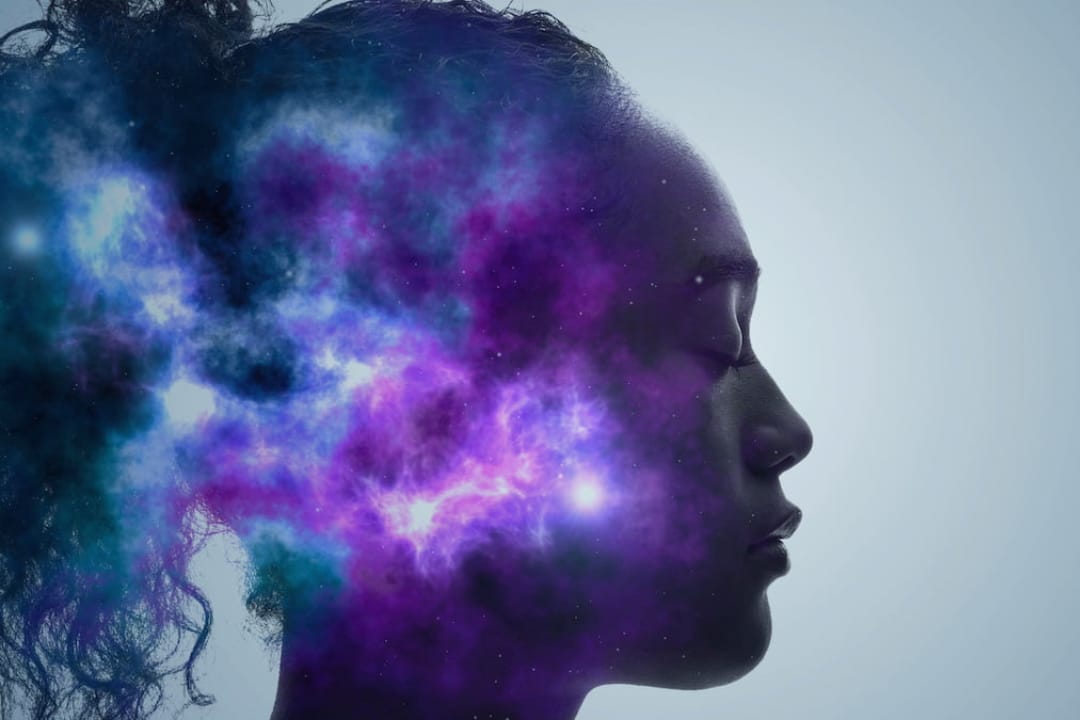
DMT is known for being one of the shortest psychedelic experiences.
In many cases, the entire journey is over in about 20 to 30 minutes.
That shorter window has made it especially interesting to researchers looking at potential medical uses. Most psychedelic therapy sessions can last many hours, which requires a lot of time, staff, and clinical resources. A much shorter experience could make treatments easier to deliver if the results hold up.
A new study published in Nature Medicine looked at exactly that.
Researchers at Imperial College London, working with the pharmaceutical company Cybin, ran a clinical trial involving people with moderate to severe depression. Many of the participants had already tried other treatments without much success.
Participants received either a single intravenous dose of DMT or a placebo, with therapists present during the session and follow-up integration afterward.
Even though the experience was brief, it was often intense.
Many participants described strong emotional insights or moments where they saw their struggles and life patterns from a completely different perspective.
When researchers looked at the results, they noticed something interesting.
Participants who reported deeper or more meaningful experiences during the session often showed the largest reductions in depression symptoms afterward.
For many people in the study, those improvements lasted up to three months after just one session.
The treatment was generally well tolerated. Some participants experienced temporary anxiety or nausea, along with short-lived increases in heart rate and blood pressure right after dosing.
This was still a relatively small trial, so larger studies will be needed to confirm the findings.
But the results point toward an intriguing possibility.
A treatment that lasts less than half an hour yet produces lasting psychological benefits could make psychedelic therapy far easier to offer in clinical settings.
💡 Need to Know

Our friends at Chacruna are hosting one of the most important psychedelic conferences of the year.
Psychedelic Culture 2026 will take place April 17–19, 2026 in San Francisco and will bring together more than 500 attendees and 80 speakers from around the world.
Researchers, Indigenous leaders, activists, lawyers, artists, and clinicians will all be part of the conversation.
Panels and workshops focus on how psychedelic science intersects with culture, law, ethics, reciprocity, and social responsibility.
The conference has become known for highlighting perspectives that are often missing from mainstream discussions, particularly voices from Indigenous communities and grassroots organizers.
As interest in psychedelics grows worldwide, gatherings like this help guide the conversation toward responsible stewardship, education, and equitable access.
👋 Signoff
That’s it for this week.
The science keeps moving. The policy landscape keeps shifting. And the cultural conversation around psychedelics continues expanding into places that once seemed impossible.
Have a great weekend!

✅ No one can stop you from seeing what’s delivered directly to your email.
You’re already subscribed - congratulations!
You beat the algorithm 😉
Thank you for joining us as we continue to navigate this ever-changing landscape.
P.S. Explore what they don’t want you to see - check us out on X (Twitter) and Instagram, and dive deeper into all things psychedelic on our website. 🌐✨